
2026 Refrigerant Regulations: What Texas Homeowners Need to Know Before Upgrading Their HVAC System
Carla Crouse | Jan 07 2026 16:00
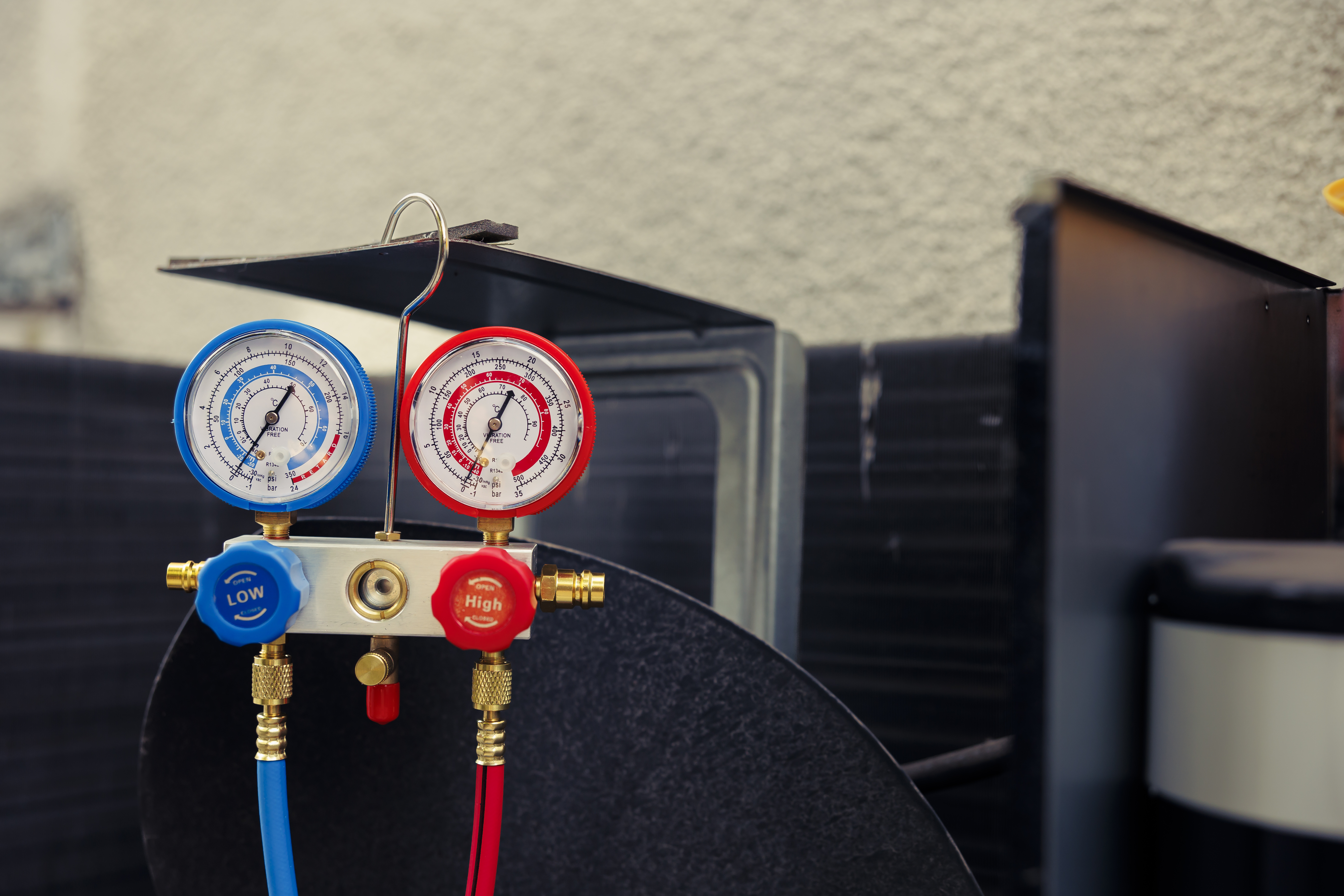
As we get closer to January 1, 2026, homeowners across Rowlett, Dallas, Rockwall, Wylie, Garland, Plano, and surrounding communities are starting to hear more about the upcoming changes to HVAC refrigerants. These new regulations will impact anyone planning to install or replace an air conditioning system in the next few years. At StevenSons Heating & Air Conditioning, Inc., we’re already helping families prepare for the transition so they can make smart, long-term decisions for their homes—and their wallets.
Beginning in 2026, newly installed residential and light commercial HVAC systems must use low–global warming potential (GWP) refrigerants. This shift is part of the EPA’s Technology Transitions Rule under the AIM Act, which aims to reduce high‑GWP hydrofluorocarbons (HFCs) like R-410A. For homeowners in North Texas, these changes affect everything from equipment compatibility to long‑term maintenance costs.
Why Refrigerants Are Changing
For years, refrigerants like R‑410A helped Texas homes stay cool through blazing summers. But these older refrigerants carry a high GWP, meaning they contribute more significantly to warming the atmosphere compared to CO₂. As part of a nationwide effort to phase out high‑GWP refrigerants, the EPA is requiring HVAC manufacturers and contractors to shift toward safer, more environmentally friendly options.
Even though refrigerant rules often sound like an issue for commercial buildings, they directly affect homeowners—especially anyone who may need AC repair, AC installation, or HVAC replacement in Rowlett or the greater Dallas metro in the coming years.
What the 2026 Rules Mean for New Installations
Starting January 1, 2026, any newly installed HVAC system in Texas must use one of the approved low‑GWP refrigerants. Manufacturers already stopped producing new R‑410A systems in 2025, but contractors were allowed to install remaining inventory throughout that year. That window closes in 2026, meaning all installations must follow the new guidelines.
Your current system can still operate after 2026. However, as time goes on, refrigerant supplies and repair parts for older systems will become harder to find. Homeowners with aging AC units—especially systems 10–15 years old—may face higher repair costs simply due to supply shortages.
Understanding A2L Refrigerants
Most of the systems replacing R‑410A in 2026 will use a category known as A2L refrigerants, including R‑32 and R‑454B. These refrigerants deliver strong cooling performance with dramatically lower environmental impact.
A2L refrigerants are classified by ASHRAE as:
- Low in toxicity
- Mildly flammable under controlled conditions
- Less flammable than many common household products
Because of their characteristics, HVAC systems designed for A2L refrigerants include enhanced safety features such as built‑in leak detection, improved airflow pathways, and updated electrical components. These systems must meet specific fire, electrical, and building code standards—something a professional, licensed HVAC contractor like StevenSons understands and follows closely.
How Low‑GWP HVAC Systems Affect Efficiency and Cost
The switch to low‑GWP refrigerants isn’t just an environmental update—it brings big benefits for Texas homeowners. Many systems using R‑32 or R‑454B have demonstrated equal or better performance than older systems, offering:
- Higher operating efficiency
- Improved cooling capacity during extreme Texas heat
- Reduced energy usage and lower monthly utility bills
While upfront installation costs may be slightly higher, the long-term operating savings often outweigh the initial investment. Meanwhile, repairing older R‑410A systems may become increasingly expensive as parts become scarce—making proactive replacement a financially smart choice for many homes in Rowlett, Dallas, Garland, and nearby communities.
Can You Retrofit Your Current System?
Simply put: no. Retrofitting older R‑410A systems to accept A2L refrigerants isn’t safe or allowed. These systems have completely different requirements, including operating pressures, lubricants, sensors, and airflow standards. Attempting to convert an older unit would likely violate local building codes, void warranties, and create serious safety risks.
The best solution is replacing the system with equipment specifically designed for low‑GWP refrigerants—especially if your HVAC unit is aging, struggling to keep up, or requiring frequent repairs.
Additional 2026 Requirements to Know
Beyond refrigerant changes, larger HVAC systems will need to meet new leak‑detection rules. Equipment holding more than 1,500 pounds of refrigerant must include automatic leak monitoring, and allowed leak thresholds will shrink from 50 pounds to 15 pounds in many cases.
The EPA is also tightening rules for reclaimed refrigerants, limiting virgin HFC content to no more than 15%. Recordkeeping requirements will increase too, primarily affecting commercial and multi‑unit properties across the Dallas–Fort Worth area.
How North Texas Homeowners Can Prepare
If your system is over 10 years old, needs frequent AC repairs, or struggles to cool your home during Texas summers, now is the perfect time to explore replacement options. As the 2026 deadline approaches, availability for compliant systems—and installation appointments—will tighten.
When evaluating your next AC system, make sure your contractor:
- Is certified to install and handle A2L refrigerants
- Understands updated 2026 standards
- Can explain efficiency ratings and long‑term cost savings
- Knows local Rowlett, Dallas, and Rockwall permitting requirements
At StevenSons Heating & Air Conditioning, Inc., our team is fully trained in A2L refrigerant handling and next‑generation HVAC installation. We can help you choose the right system for your home, budget, and long-term comfort.
Plan Ahead and Avoid the Last‑Minute Rush
The transition to low‑GWP refrigerants represents a major step forward in HVAC technology. Homeowners who plan early will enjoy more options, better pricing, and smoother installation timelines. Whether you live in Rowlett, Dallas, Garland, Plano, Wylie, or Rockwall, taking action now helps protect your investment and ensures your home is ready for the 2026 changes.
If you're considering an HVAC replacement or want a professional assessment of your current system, schedule a visit with us today.